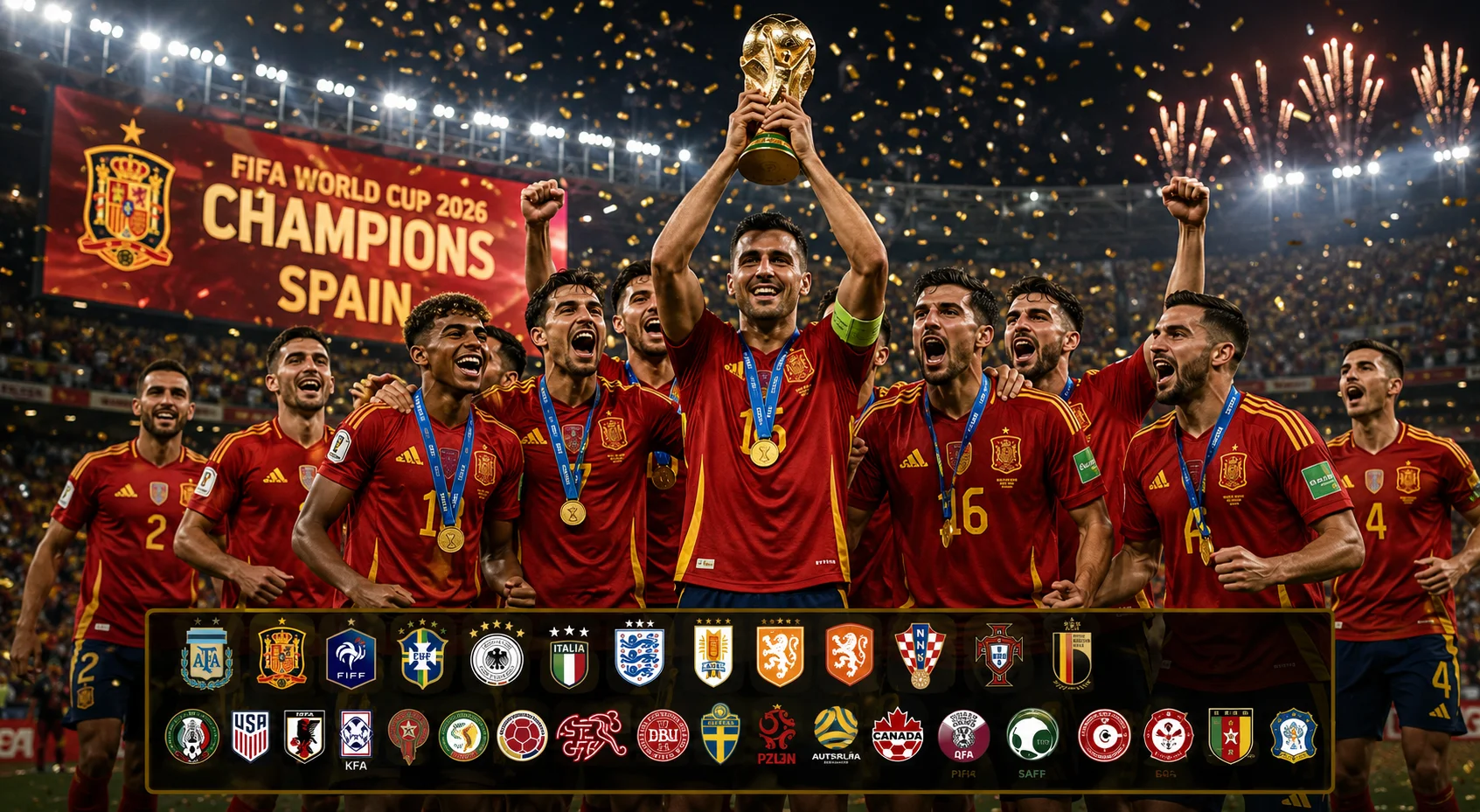
Spain vs Argentina: How the 2026 Final Unfolded
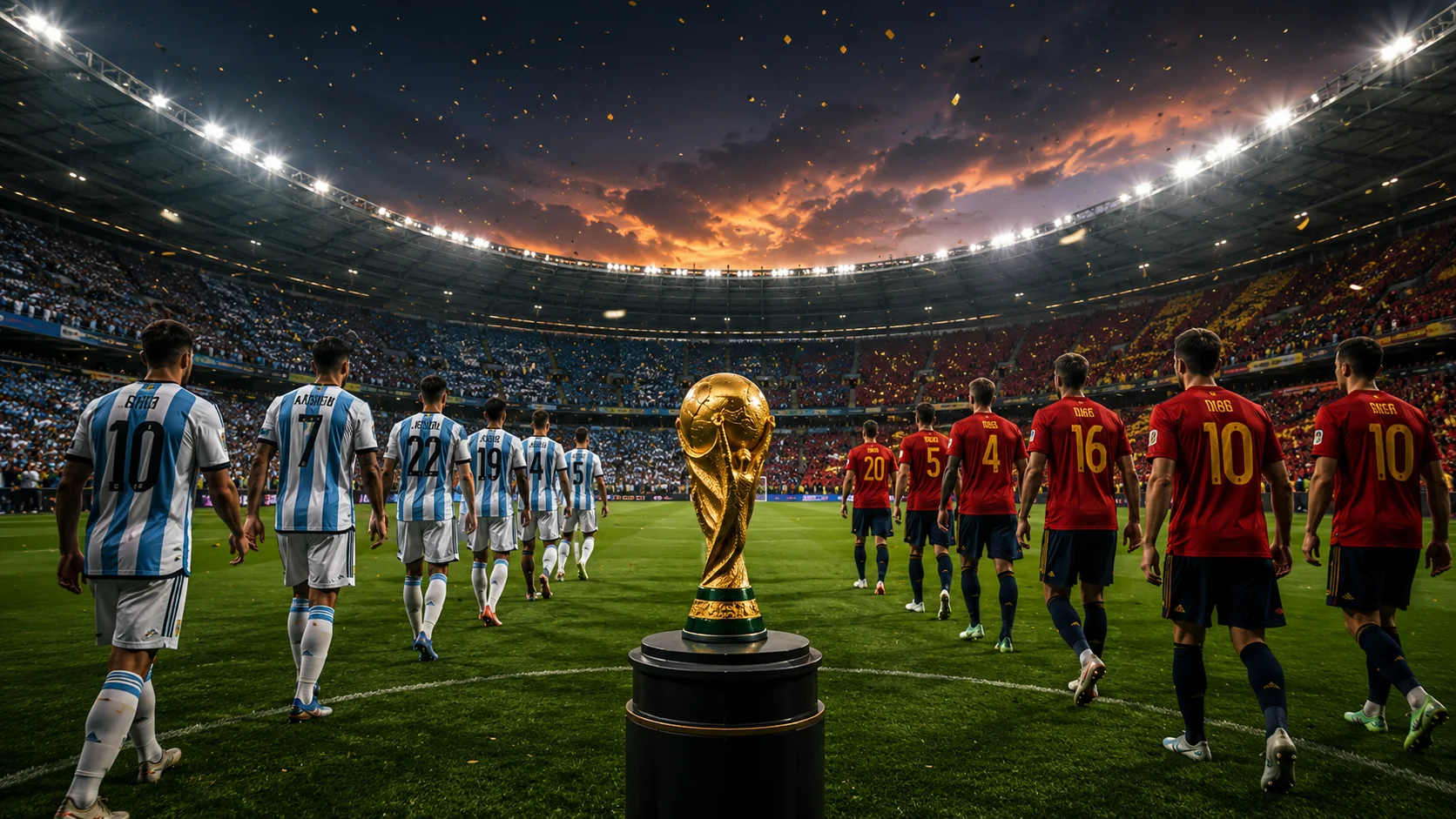
The final was a tense, defensive battle that stayed goalless through 90 minutes of regulation time. Argentina, led by Lionel Messi in what is expected to be his last World Cup appearance, held firm against a dominant Spanish side that controlled possession for most of the match.
The breakthrough finally came in extra time. Substitute Ferran Torres pounced on a loose ball inside the box and fired a left-footed strike past goalkeeper Emiliano Martínez in the 106th minute, sending the Spanish bench into celebration. Argentina played the final stretch of extra time with ten men after Enzo Fernández picked up a second yellow card in stoppage time.
Key Match Facts
- Final Score: Spain 1-0 Argentina (after extra time)
- Venue: MetLife Stadium, East Rutherford, New Jersey
- Winning Goal: Ferran Torres, 106th minute
- Shots on Target: Spain 12, Argentina 0
- Goalkeeper Saves: Emiliano Martínez made 12 saves, the most by any goalkeeper in World Cup final history
- Captain: Rodri lifted the trophy for Spain
Spain outshot Argentina 20-3 across the match but needed extra time to find the breakthrough, a testament to Argentina's disciplined defending even without the ball.
Spain's Road to the Title
This marks Spain's second World Cup win, with their first coming in 2010. The victory also extended Spain's unbeaten run to 38 consecutive matches, a stretch that includes their Euro 2024 title. With this win, Spain becomes the first nation to simultaneously hold both the men's and women's FIFA World Cup titles.
Argentina, meanwhile, fell just short of becoming the first team since Brazil (1958 and 1962) to win back-to-back World Cups.
A Historic Tournament for North America
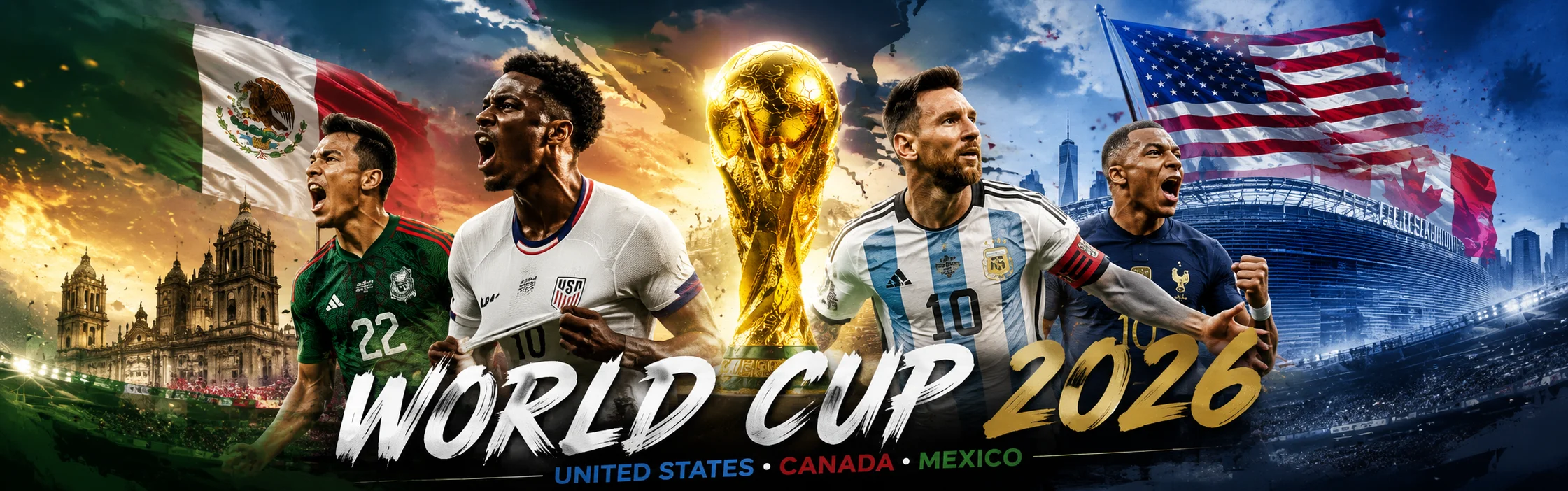
The 2026 World Cup was historic even before the final whistle. It was the first World Cup jointly hosted by three nations: the United States, Mexico, and Canada. The tournament also expanded to 48 teams for the first time, making it the largest World Cup ever staged.
Sunday's final added another first to the record books: it featured the tournament's first-ever halftime show, with performances from Madonna, Justin Bieber, Shakira, BTS, and the Muppets, drawing comparisons to the NFL's Super Bowl halftime tradition.
FIFA World Cup Winners: Full List
The World Cup has been contested since 1930, with only eight nations ever lifting the trophy. Here's the complete list of champions:
| Year | Champion | Runner-Up |
|---|---|---|
| 2026 | Spain | Argentina |
| 2022 | Argentina | France |
| 2018 | France | Croatia |
| 2014 | Germany | Argentina |
| 2010 | Spain | Netherlands |
| 2006 | Italy | France |
| 2002 | Brazil | Germany |
| 1998 | France | Brazil |
| 1994 | Brazil | Italy |
| 1990 | Germany | Argentina |
| 1986 | Argentina | Germany |
| 1982 | Italy | Germany |
| 1978 | Argentina | Netherlands |
| 1974 | Germany | Netherlands |
| 1970 | Brazil | Italy |
| 1966 | England | Germany |
| 1962 | Brazil | Czechoslovakia |
| 1958 | Brazil | Sweden |
| 1954 | Germany | Hungary |
| 1950 | Uruguay | Brazil |
| 1938 | Italy | Hungary |
| 1934 | Italy | Czechoslovakia |
| 1930 | Uruguay | Argentina |
Most World Cup Titles by Country
- Brazil: 5 titles
- Germany: 4 titles
- Italy: 4 titles
- Argentina: 3 titles
- France: 2 titles
- Spain: 2 titles (2010, 2026)
- Uruguay: 2 titles
- England: 1 title
What This Win Means for Spanish Football
Spain's 2026 triumph cements this generation as one of the greatest in the nation's history. Built around a possession-based system and a golden generation of young talent alongside experienced players like Rodri, this squad now holds a European title and a World Cup within the same era, echoing Spain's dominant 2008-2012 run.
For Argentina and Messi, the final represents a heartbreaking end to a golden chapter, but one that still includes the 2022 World Cup trophy and a legacy that will be remembered for generations.
Final Whistle
Spain's 1-0 extra-time win over Argentina closes the book on the biggest, most-watched World Cup in history. With a record 48 teams, three host nations, and a Super Bowl-style final, the 2026 tournament reshaped what the World Cup can look like — and Spain made sure it ended with them holding the trophy.
Stay with SportifyHQ for full player profiles, stats, and career breakdowns of every star from the 2026 FIFA World Cup, including Rodri, Ferran Torres, Lionel Messi, and Lamine Yamal.

Be the first to comment!